Slow Servers, Soft Corners: Why Some Players Are Choosing Boring Worlds on Purpose
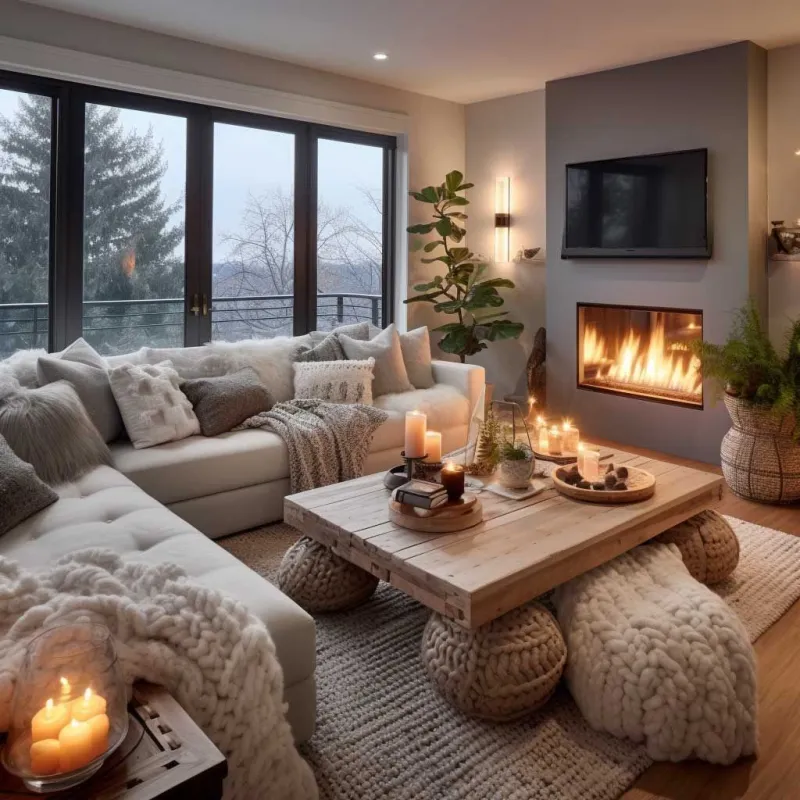
Photo: cozy virtual garden with soft lighting and avatars reading books, via i.pinimg.com
Not every virtual world needs a battle pass. That is the radical idea behind a growing corner of the metaverse that is betting on slow gardens, quiet bookshops, and low-stakes social spaces instead of flashing quests and constant events. Call it the cozy metaverse: a small but stubborn rebellion against worlds designed to keep your brain on a leash.
The pitch is simple. Log in. Sit somewhere soft. Talk to a few people. Maybe water a plant. Log out. Nothing explodes. No one yells at you to complete a daily challenge. The world does not punish you for staying for twenty minutes and leaving calmer than you arrived.
The Anti-Dopamine Design Movement
For years, the dominant logic of virtual entertainment has been more. More quests. More rewards. More limited-time events. More notifications. The goal is to keep players in a loop of check-ins, purchases, and social obligation. That model works. It also wears people down.
The cozy metaverse movement is not anti-fun. It is anti-friction. Builders in this space talk about lower stakes, slower pacing, and spaces that feel good to return to. A virtual garden is not a grind. A bookshop is not a leaderboard. A quiet cafe is not a content treadmill. The appeal is not that nothing happens. It is that the thing that happens is small, voluntary, and easy to leave.
Meet the Builders
Many of the creators behind these worlds are not big studios. They are solo builders and small teams, often based in US cities like Portland, Asheville, and Minneapolis. They tend to describe their work in domestic terms: a porch, a reading nook, a community plot. They are less interested in scale than in texture.
One common approach is to design for the first five minutes. A new visitor should know where to sit, what to touch, and how to leave. There is no onboarding gauntlet. No forced tutorial. No urgent call to action. The world trusts the player to wander. That sounds small. In practice, it is a different philosophy of attention.
Why Calm Is Hard to Monetize
Here is the awkward part: calm is difficult to sell. Hyperstimulating worlds have obvious revenue hooks. Cosmetics, battle passes, limited drops, event tickets. Cozy worlds can sell decoration, memberships, or small creator tips, but the pressure to upsell can ruin the mood. Builders say the challenge is finding revenue that does not make the space feel like a mall.
Some are experimenting with subscriptions that unlock quiet perks: extra garden plots, private reading rooms, or the ability to host small gatherings. Others rely on community support and one-time purchases. The numbers are not going to rival the biggest platforms. But the goal is different. These worlds are not trying to capture every hour of a player's day. They are trying to be a good place to spend a few of them.
The Player Who Wants Less
The players are not a monolith. Some are burned out on competitive social worlds. Some are parents who want a low-pressure space after the kids go to bed. Some are introverts who like presence without performance. Some just want to sit in a pretty room and listen to rain sounds with strangers who do not expect anything.
That last part matters. The cozy metaverse is still social. It is not a single-player meditation app. The point is low-stakes company. A quiet world can make it easier to talk because no one is racing to the next objective. The conversation is the content.
Can Cozy Survive?
The obvious risk is that cozy becomes a genre skin. A big platform can add soft lighting, a few plants, and a 'relax' label without changing the underlying loop. Players notice. The movement is not really about aesthetics. It is about pacing, pressure, and permission to log off.
The other risk is that calm gets expensive. If every quiet garden becomes a premium subscription, the audience may shrink. But builders say the demand is real. People are tired of being engineered. A world that asks for less can feel like a relief. In a digital landscape built to grab attention, that might be the most rebellious feature of all.